How I Biohacked My Sleep (Without Pills)
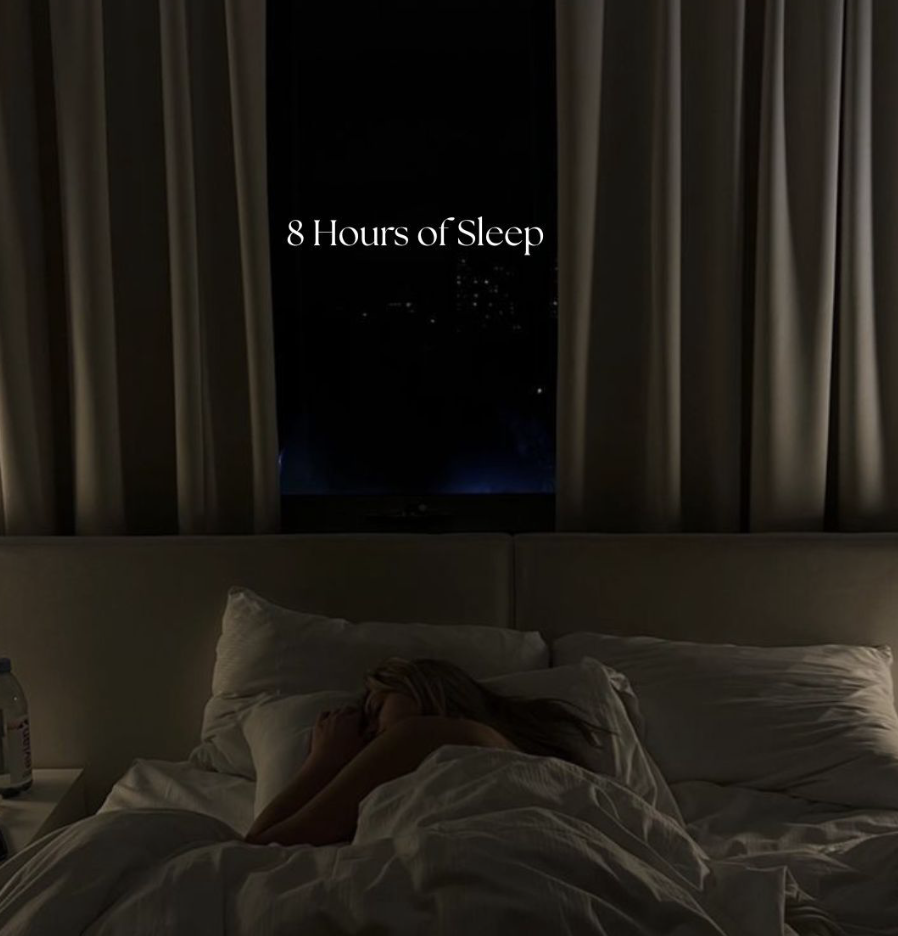
There was a point in my life when my stress was so high that falling asleep felt impossible.
I’d lie in bed for what felt like hours—tossing, turning, heart racing, mind spiraling through to-do lists, worries, and “what ifs.” Sleep wasn’t restful… it was a battle.
For a long time, melatonin felt like my safety net. But over time, I realized I didn’t want to rely on something every single night just to rest. What ultimately helped me kick that habit wasn’t one magic fix—it was stacking small, supportive habits over time.
These habits below over time helped me to fall asleep quickly, stay asleep and wake restfully, worry-free.
Morning Light + Delayed Coffee: The Game Changers
I used to wake up and immediately hit “brew.”
Coffee was non-negotiable. I never thought I’d be the person who could delay caffeine.
But here’s what I learned: sleep starts in the morning, not at night.
Getting sunlight in your eyes early helps set your circadian rhythm, regulate cortisol, and cue melatonin production later that evening. When cortisol has a healthy rise in the morning, it’s far less likely to spike at night—aka fewer racing thoughts when your head hits the pillow.
Delaying coffee (even 60–90 minutes) allows your natural cortisol rhythm to do its job instead of hijacking it with caffeine.
That transition became possible for me once I added essential amino acids to my morning routine.
Essential Amino Acids: Why They Matter (Especially for Women 35+)
I start my day with essential amino acids mixed in 8 ounces of water—I personally like Perfect Aminos and Kion.
So what are essential amino acids?
They’re the building blocks of protein that your body cannot make on its own. You must get them from your diet or supplementation. As we age, our ability to synthesize and utilize protein becomes less efficient—especially for women navigating hormonal shifts, muscle loss, blood sugar changes, and increased stress load.
Why they help with sleep and stress:
Support stable blood sugar (reducing nighttime cortisol spikes)
Aid neurotransmitter production (serotonin, dopamine → precursors to melatonin)
Support lean muscle and metabolism without spiking insulin
Provide clean, non-stimulating energy—making it easier to delay caffeine
Now, instead of reaching for coffee first thing, I sip my amino water and move into my morning habit stack.
My Morning Habit Stack (a Nervous System Reset)
This is where the magic really happens:
Sip essential amino acids + water
Meditation, prayer, and journaling
Wearing my red light mask
Sitting on my Bon Charge PEMF mat
Bring. On. The habit stack.
None of these alone are revolutionary—but together, they tell my nervous system: you are safe, grounded, and supported. That signal carries through the entire day… and straight into better sleep.
Creating an Evening Wind-Down That Invites Sleep
At night, I’m intentional about making my bedroom feel like a sanctuary, not just a place I crash.
Here’s what that looks like for me:
Showering before bed (I love getting into bed feeling clean)
Blackout curtains
Sound machine
Lavender oil spray on my pillow
Cool, calm, quiet environment
Your bedroom should be a place you can’t wait to crawl into—not a place associated with stress, scrolling, or work.
Reading before bed helps take my mind off life, but if my thoughts are really racing, I’ll do one of two things:
A journal dump to get everything out of my head
A short guided meditation to calm my nervous system
Both help shift my brain out of “problem-solving mode” and into rest.
If You’re Using Pills to Sleep—Read This
If you currently rely on sleep pills, I promise you this:
stacking habits works.
It’s not about perfection. It’s about consistency. Small signals, repeated daily, retrain your body to sleep naturally again.
Your body already knows how to sleep. It just needs the right cues—and the patience to rebuild trust.
Start with one habit. Then stack another.
Over time, sleep becomes something you fall into, not something you chase.
And that kind of rest?
It’s life-changing.